A Flavour Tribute to World Cup 2026
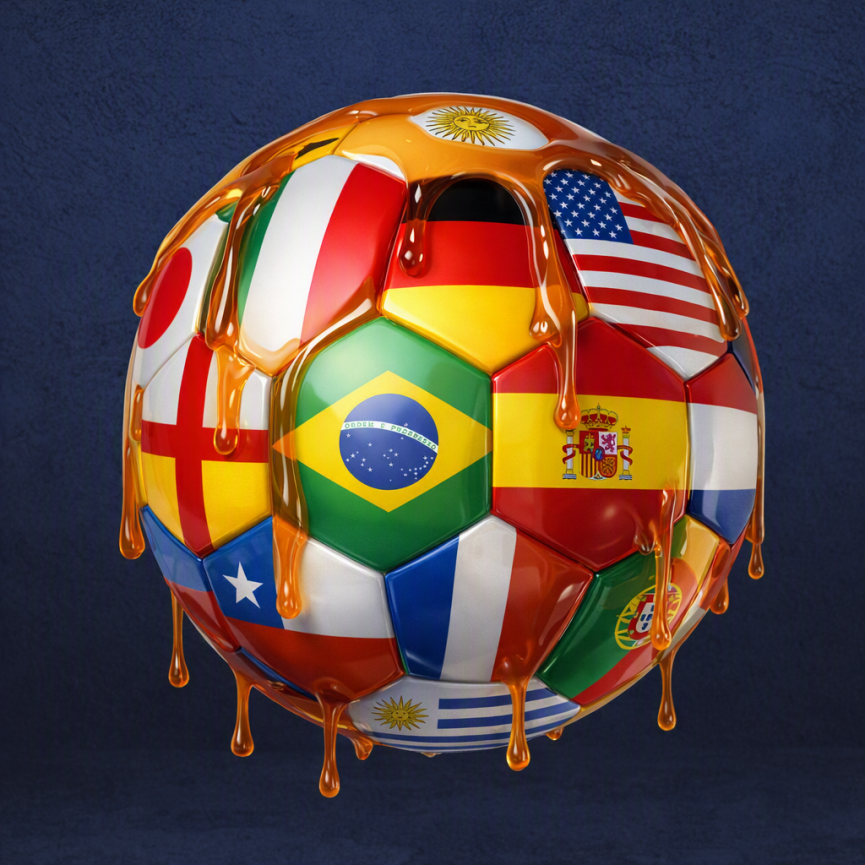
Once every four years, the world comes together for one of the most anticipated events in sport, the FIFA World Cup. For the very first time in 2026, the tournament is hosted across three nations: the United States, Mexico, and Canada, featuring 48 teams and 104 matches, the biggest World Cup ever held.
Beyond the matches, it is also a meeting of cultures, cuisines, and shared experiences.
And in many ways, flavour does the same.
At Metarom Asia, we follow global trends closely to deliver flavours that are relevant, modern, and market ready. In line with this, we are introducing a specially crafted line up of chilli inspired flavours, each developed to reflect the character of a host nation.
Following the Trend: The Rise of Bold, Global Flavours
Today’s consumers are looking for more than taste, they want experiences. Flavours that surprise and excite.
That is why bold, layered profiles, especially sweet and spicy combinations, are leading global innovation. From snacks to desserts, from beverages to sauces, chili is becoming a key driver of creativity in product development.
As a flavour house, our role is to turn these trends into possibilities and what better way to do so than by drawing inspiration from the world’s biggest football tournament?
Three Nations. Four Signature Flavours
In celebration of the 2026 World Cup, we are showcasing a flavour journey inspired by each host country, translating culture into taste.
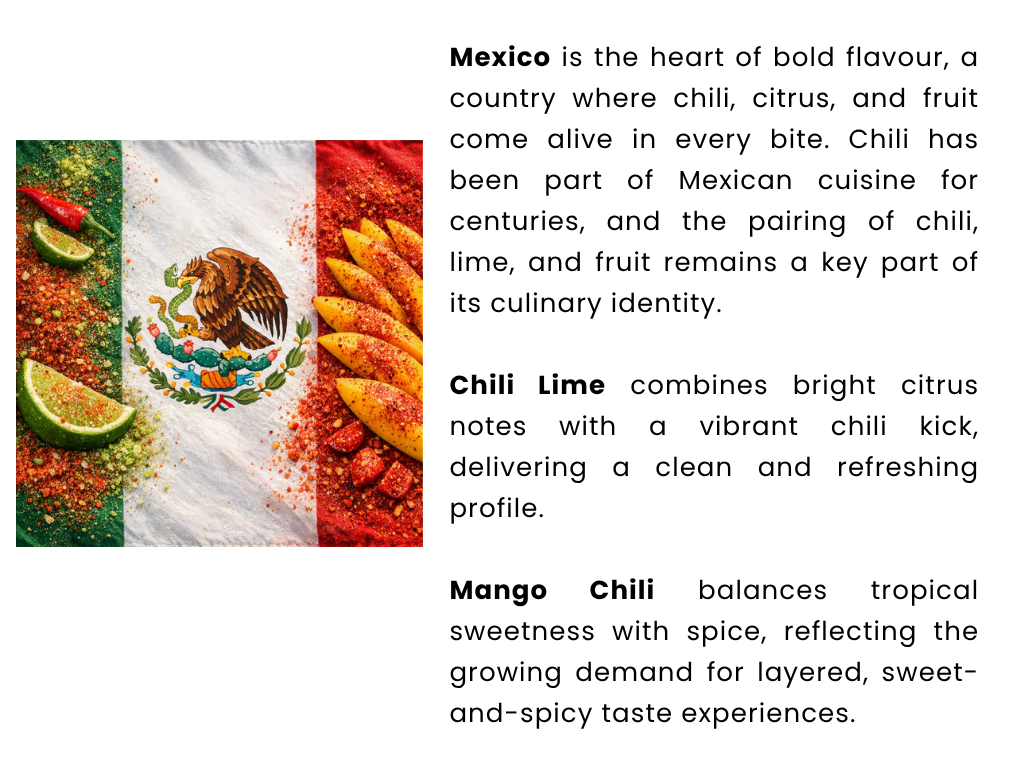
Mexico — Chili Lime & Mango Chili
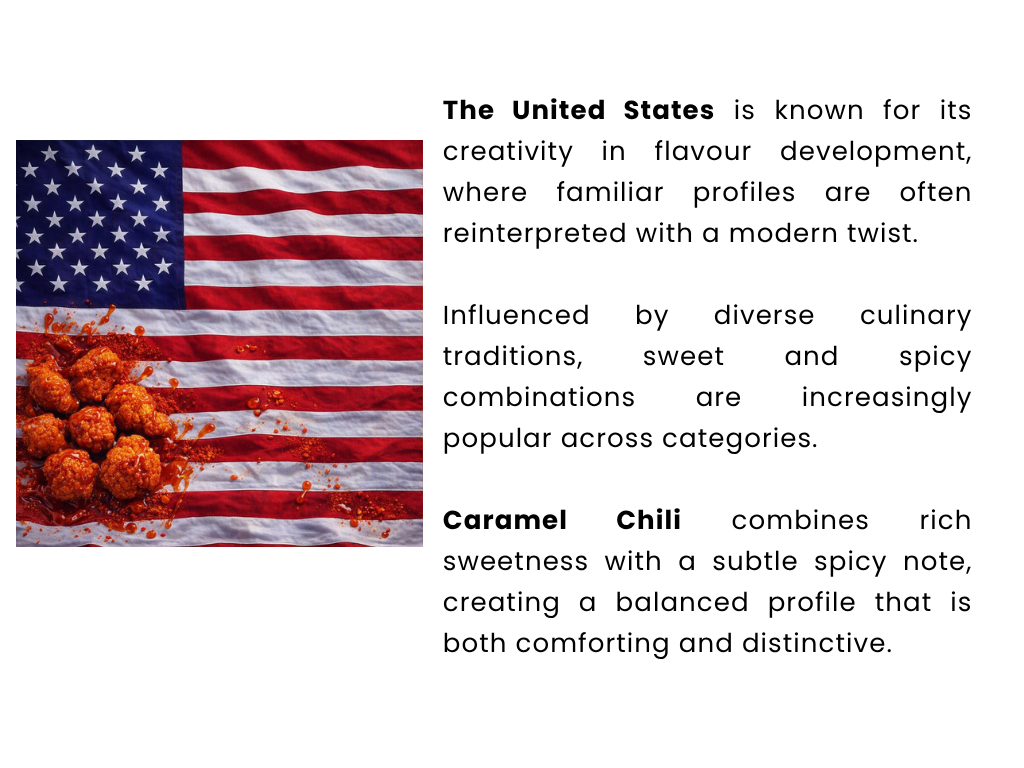
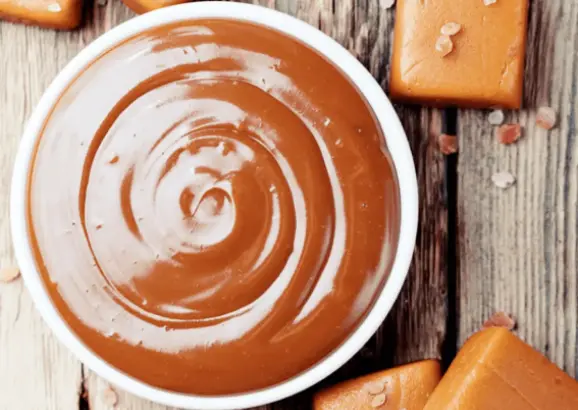
United States — Caramel Chili
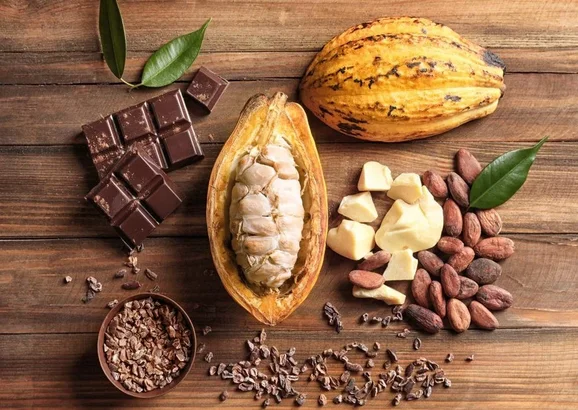
Canada — Chocolate Chili
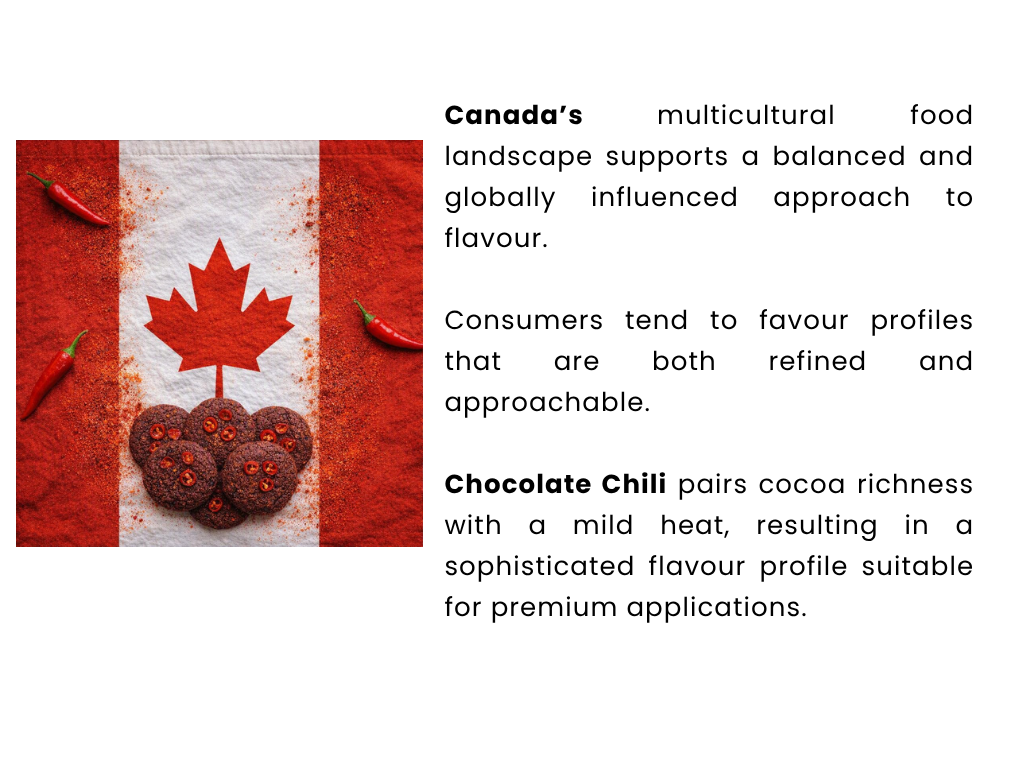
Did You Know?
To better understand the inspiration behind these flavours, here are a few interesting insights:
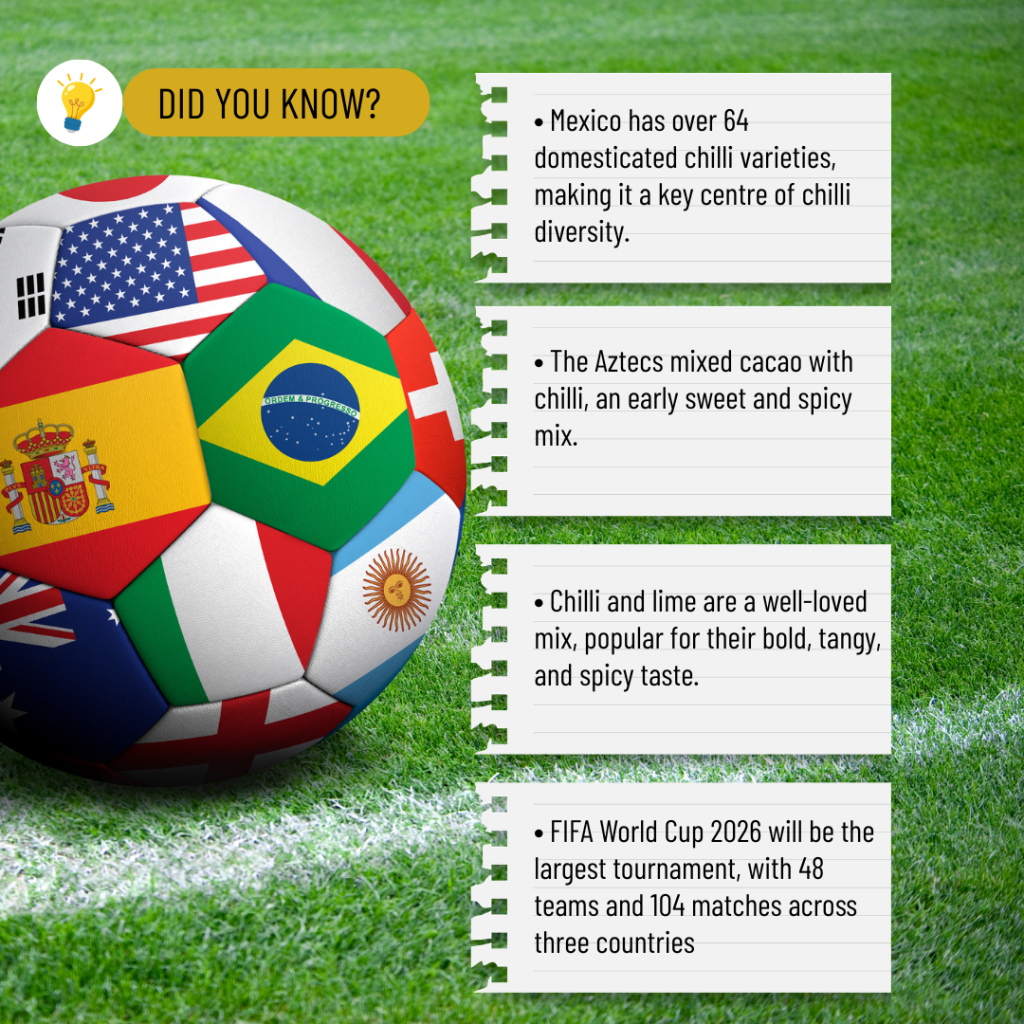
A perfect reminder that flavour, like football, has the power to bring people together across borders, cultures, and generations.
Bringing Flavours to Life: Application Opportunities
Our chili inspired flavours are designed to support innovation across multiple categories:
| Flavour | Origin | Common Uses |
| Chili Lime | Mexican street food | Tortilla chips, beverages, marinades |
| Mango Chili | Latin American flavour pairing | Gummies, beverages, yogurts, sauces, fruit based snacks |
| Caramel Chili | Modern American flavour trend | Popcorn, chocolate products, desserts, beverages |
| Chocolate Chili | Traditional cocoa and chili pairing | Pralines, cookies, hot drinks, premium confectionery |
These flavour profiles offer flexibility across formats, supporting a wide range of product concepts.
One World. One Celebration. Endless Flavour Possibilities
The FIFA World Cup 2026 reflects the global nature of today’s food landscape, shaped by cultural exchange, evolving tastes, and continuous innovation. At Metarom Asia, we support this evolution by developing flavours that align with market trends and consumer expectations.
From Chili Lime to Chocolate Chili, this range highlights how chilli based flavours can drive differentiation and product innovation.
Let’s Create Something Worth Celebrating
Whether you are developing a new snack, beverage, dessert, or bakery concept, our World Cup, inspired flavours are ready to support your next innovation.
Contact us at sales@metarom.my to explore how we can collaborate on your next product development.










 Costco: Offering pistachio gelato, tahini spreads, and flavour samplers, signalling mass-market interest in Middle Eastern profiles
 Boutique Chocolatiers: In France, Germany, and the U.S., limited-edition collections are incorporating rose-infused ganache, date-paste centres, and gold detailing to create exclusive, premium offerings
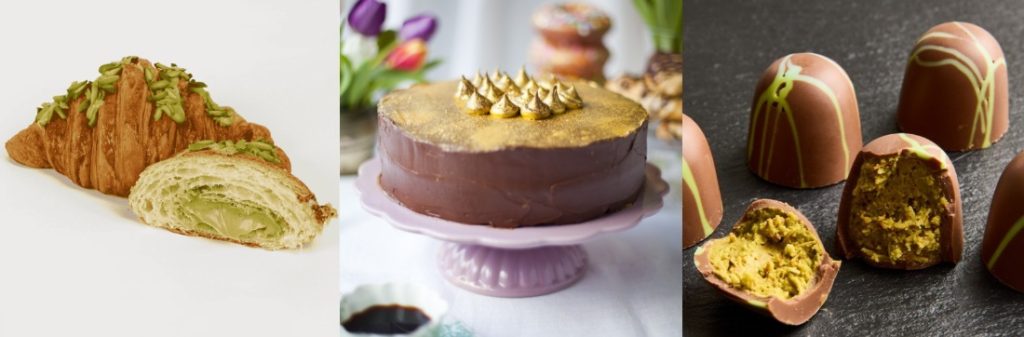 Malaysia: Artisanal bakeries in Kuala Lumpur and Selangor are selling out of pistachio cream croissants and chocolate cakes topped with edible gold. Some boutique chocolatiers are offering Dubai-style bonbons as festive gifts
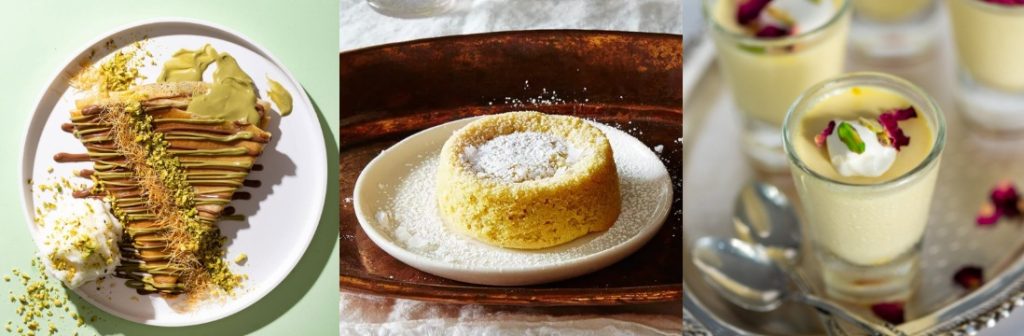 Thailand: Upscale dessert bars in Bangkok are embracing the Dubai chocolate trend with pistachio-filled crepes, tahini-infused lava cakes, and rose-saffron chocolate mousse. These offerings blend Thai creativity with Middle Eastern luxury, catering to a growing market of dessert lovers seeking globally inspired indulgence